
Elementary School (Grades 1–6)
Building strong foundations through values, curiosity, and academic excellence
Experience guided growth
We believe in developing responsible, independent, and compassionate learners.
Our Elementary School program provides a solid academic foundation while nurturing the character, confidence, and creativity of every learner.
We integrate values education with strong literacy, numeracy, science, and social studies instruction — helping students develop the skills they need to succeed in higher grade levels and in life.
Our Approach to Teaching and Learning
Strong Academic Core
We emphasize literacy, numeracy, science inquiry, and critical thinking across all grade levels.
Values Integration
Students practice respect, responsibility, integrity, and teamwork in daily activities.
Student-Centered Learning
Lessons are interactive, collaborative, and tailored to different learning styles.
Holistic Development
We support social, emotional, physical, and moral growth through activities and programs.
Elementary Curriculum (Grades 1–6)
Our curriculum follows the DepEd K–12 framework with enhancements that build essential skills for future learning
English & Reading
- Grammar, Vocabulary, reading comprehension, writing skills.
Filipino
- Language proficiency, reading, writing, and cultural awareness.
Mathematics
- Numeracy, problem-solving, logical reasoning, and real-world applications.
Values Education
- Character formation, empathy, cooperation, personal responsibility.
Araling Panlipunan (AP)
- Culture, history, community studies, and citizenship.
MAPEH (Music, Arts, PE, Health)
- Creativity, physical fitness, and healthy habits.
ICT / Computer Skills
- Basic digital literacy, typing, and safe technology use.
Science
- Hands-on experiments, inquiry-based learning, and basic scientific concepts.
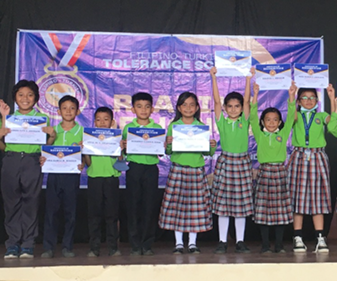
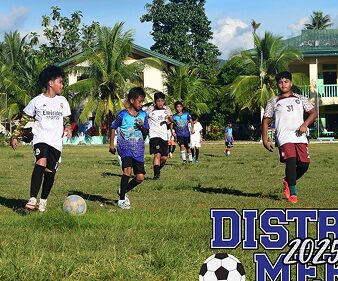
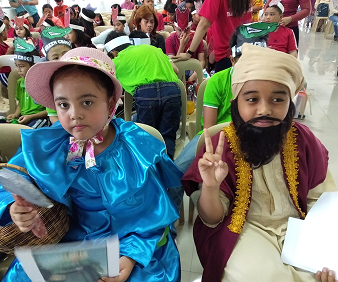
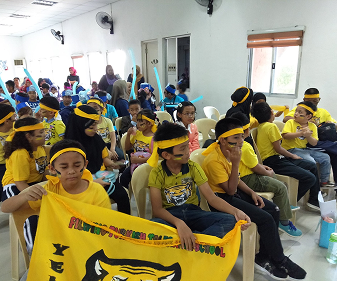
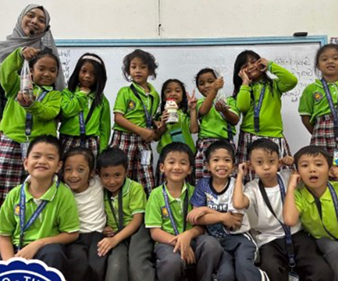
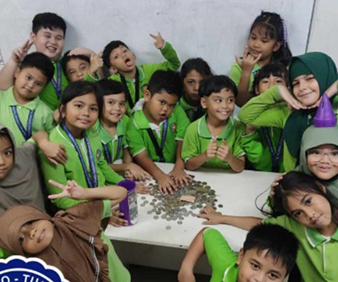
What Learning Looks Like in Elementary
We design positive learning experiences that motivate students to participate, explore, and build confidence
Ready to Join Our Elementary Program?
Elementary applicants must meet age requirements and complete basic enrollment documents